
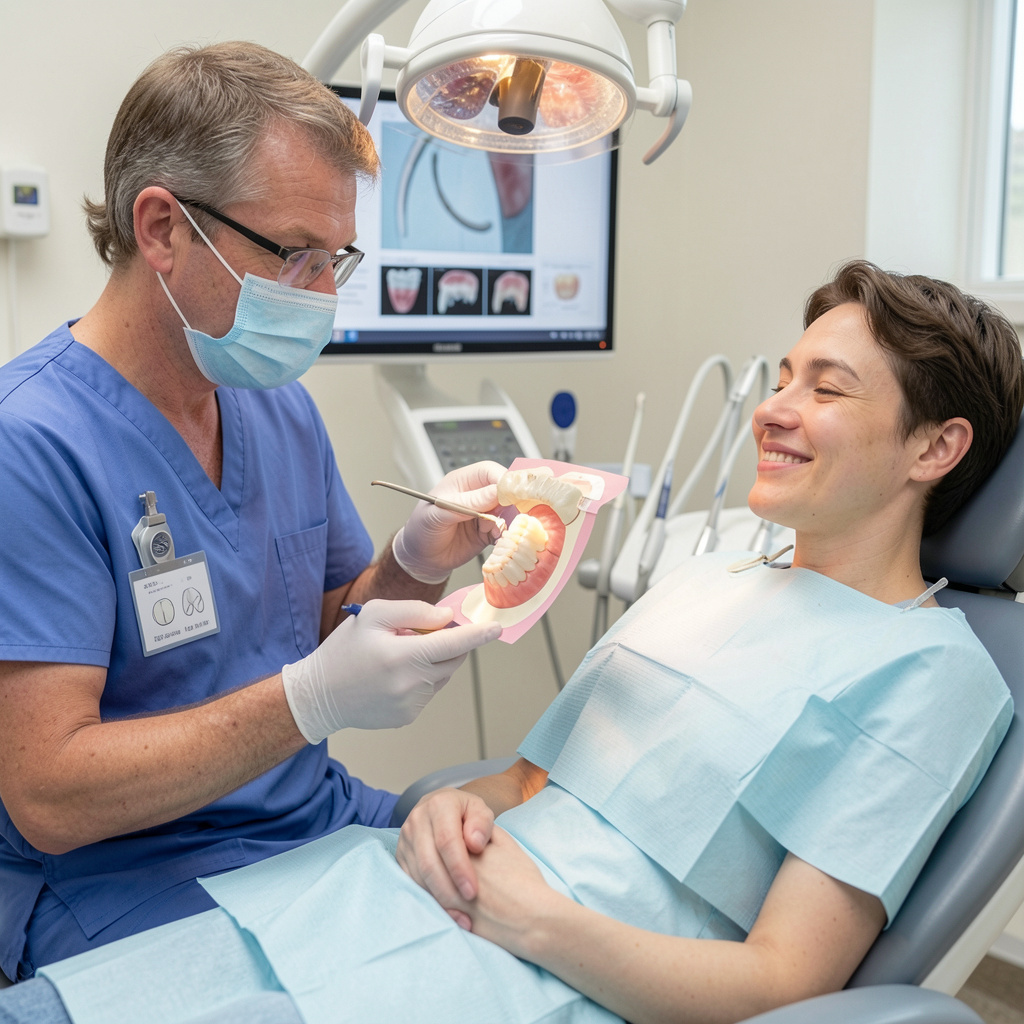
Needing a dental crown once meant attending at least two appointments.
The first visit usually involved preparing the tooth, taking impressions, fitting a temporary crown and waiting for a dental laboratory to create the final restoration. You would then return so the permanent crown could be checked, adjusted and fitted.
Same-day dental crowns use a different process.
In suitable cases, a crown can be digitally designed, created and fitted during one appointment. Systems such as CEREC use digital scanning, computer-aided design and in-practice milling to produce a custom crown while you are at the dental practice.
At Cairns Family & Cosmetic Dental Group, patients from Mount Sheridan, Earlville and surrounding areas can have their tooth assessed to determine whether a same-day crown may be appropriate. The practice offers CEREC same-day crowns at its Earlville and Mount Sheridan locations for suitable cases.
Same-day crowns are not suitable for every tooth or every patient. Your dentist must assess the tooth, your bite, your gum health and the type of restoration required before recommending treatment. Suitability, treatment experiences and results vary between individuals.
What Is a Same-Day Dental Crown?
A same-day dental crown is a custom-made cap designed to cover and protect a damaged, weakened or heavily restored tooth.
According to Healthdirect’s guide to dental crown procedures, a crown covers an existing tooth and may help restore its strength, appearance and function. Crowns can be made from materials such as porcelain, zirconia, gold alloy or porcelain fused to metal.
What makes a same-day crown different is the way it is produced.
Instead of sending an impression or digital scan to an external dental laboratory, the dentist uses digital technology to scan the tooth, design the restoration, manufacture it in the practice and fit it during the same appointment.
Same-day crowns may also be called:
- CEREC crowns
- One-visit dental crowns
- Digital dental crowns
- Chairside crowns
- Same-day ceramic crowns
The aim is to restore the tooth with a crown designed to fit your bite and support everyday chewing. In many suitable cases, this process also removes the need for a temporary crown.
You can learn more about the practice’s approach to same-day dental crowns and CEREC treatment.
How Do Same-Day Dental Crowns Work?
Same-day crowns generally follow a digital workflow.
The exact process can vary depending on the tooth, the material being used and the technology available at the practice. A typical CEREC crown procedure involves assessment, tooth preparation, digital scanning, crown design, in-practice milling, fitting and bonding.
Step 1: Your Dentist Assesses the Tooth
Before treatment begins, your dentist needs to determine whether a crown is the right option.
A crown may be considered when a tooth is:
- Cracked or broken
- Badly decayed
- Heavily filled
- Worn down
- Weakened after root canal treatment
- Structurally unsuitable for another filling
- Being restored for functional or cosmetic reasons
During the assessment, your dentist may examine:
- How much healthy tooth structure remains
- Whether the tooth is painful or sensitive
- Whether decay, fractures or cracks are present
- How the tooth meets the opposing teeth
- The condition of the surrounding gums
- Whether you grind or clench your teeth
- Whether X-rays or other imaging are needed
- Whether further treatment is required before a crown can be placed
The dentists and clinical team at Cairns Family & Cosmetic Dental Group can explain the findings and discuss the available treatment options.
Not every tooth can be restored with a one-visit crown. Some situations may require a laboratory-made crown, root canal treatment, gum treatment or another type of restoration.
Step 2: The Tooth Is Prepared
When a crown is considered suitable, the tooth is carefully prepared.
This generally involves reshaping the tooth so the crown can fit securely over it. Damaged, decayed or weakened areas may be removed, and enough space is created for the crown material.
This stage is similar to the preparation required for a traditional crown. The objective is to create a stable foundation for the restoration while preserving as much healthy tooth structure as clinically appropriate.
A local anaesthetic may be used to help manage discomfort, depending on the tooth and the treatment involved.
Step 3: A Digital Scan Is Taken
Many same-day crown systems use an intraoral scanner instead of traditional impression material.
The scanner captures detailed digital images of the prepared tooth, nearby teeth and the way your upper and lower teeth meet. The information is combined to create a three-dimensional model of your mouth.
The dentist uses this model to plan the shape and fit of the crown.
Some patients find digital scanning more comfortable because it may avoid the need for impression trays filled with moulding material. However, the most appropriate scanning or impression method depends on the clinical situation.
Step 4: The Crown Is Designed Digitally
After the scan has been completed, specialised dental software is used to design the crown.
The dentist can review and adjust features such as:
- Overall shape and height
- Chewing surfaces
- Contact with neighbouring teeth
- Gumline contours
- Bite alignment
- Thickness of the crown material
This stage is not only about appearance. The crown must also fit securely and function appropriately when you bite and chew.
A crown that is too high, bulky or poorly aligned may cause discomfort or interfere with the bite. Careful digital design and clinical checking are therefore important parts of the process.
Step 5: The Crown Is Milled in the Practice
Once the design is complete, the crown is manufactured from a block of suitable dental material, often ceramic.
An in-practice milling machine uses the digital design to shape the restoration. Depending on the material and system, the crown may then be polished, characterised, stained, glazed or fired before fitting.
This step allows suitable CEREC crowns to be produced without sending the restoration to an external laboratory.
Although the crown is created on the same day, it still requires careful planning, finishing and assessment before it can be placed.
Step 6: The Crown Is Checked and Adjusted
When the crown is ready, your dentist places it over the prepared tooth to assess its fit.
They may check:
- How closely it fits the prepared tooth
- Contact with neighbouring teeth
- Bite alignment
- Shape and comfort
- Colour and appearance, where relevant
- The fit around the gumline
Small adjustments may be made before the crown is permanently secured.
This checking process is important for both same-day and laboratory-made crowns. Digital manufacturing does not remove the need for a dentist to assess the restoration clinically.
Step 7: The Crown Is Bonded in Place
Once the fit, appearance and bite are considered appropriate, the crown is bonded or cemented onto the tooth.
The dentist prepares the tooth surface, positions the crown and removes excess bonding or cementing material. Your bite is then checked again, and further adjustments may be made if necessary.
The crown becomes the visible and functional surface of the restored tooth. Although the crown material itself cannot develop tooth decay, decay can still affect the natural tooth underneath or around the crown margin.
Regular cleaning and dental examinations remain important after treatment.
Same-Day Crowns Compared With Traditional Crowns
The main difference between same-day and traditional crowns is how and where the restoration is made.
A traditional crown commonly requires two appointments. At the first visit, the dentist prepares the tooth, takes an impression or digital scan and usually places a temporary crown. The information is sent to a dental laboratory, where a dental technician creates the final restoration.
The permanent crown is fitted at a later appointment.
A same-day crown may allow suitable treatment to be completed during one visit. Depending on the case, potential differences include:
- No temporary crown
- Fewer appointments
- Digital scanning rather than traditional impressions
- Digital crown design in the practice
- In-practice milling
- Fitting the final crown on the same day
The Australian Dental Association’s patient information on crowns explains that crown treatment often takes two appointments, although some dentists provide same-day crowns from start to finish in one day.
Traditional laboratory-made crowns may still be recommended for:
- Complex restorative cases
- Multiple crowns
- Particular aesthetic requirements
- Certain bite conditions
- Restorations requiring specific materials
- Situations where additional laboratory customisation may be beneficial
Neither approach is automatically better for every patient. The appropriate option depends on the condition of the tooth, your bite, the required material and your dentist’s clinical assessment.
Are Same-Day Dental Crowns Suitable for Everyone?
No. Same-day dental crowns are not suitable for every tooth or every patient.
Before recommending treatment, your dentist may consider:
- The amount of damage to the tooth
- Whether active decay is present
- Whether root canal treatment is needed
- How much healthy tooth structure remains
- The position of the tooth
- Your bite and chewing forces
- Whether you grind or clench your teeth
- Your gum and supporting bone health
- The crown material required
- Whether the tooth can be restored predictably
- Whether a more complex restoration is needed
Convenience should not take priority over appropriate treatment planning.
Your dentist will explain whether a same-day crown, laboratory-made crown or another treatment option may be suitable after examining your individual circumstances. Results and restoration longevity can vary.
How Long Do Same-Day Dental Crowns Last?
A well-fitted dental crown may last for many years when it is appropriately maintained. However, there is no fixed lifespan that applies to every crown.
How long a crown lasts may be influenced by:
- The crown material
- The condition of the underlying tooth
- The fit of the restoration
- Your bite
- Teeth grinding or clenching
- Oral hygiene
- Diet and chewing habits
- Regular dental examinations
- Decay around the crown margin
- Accidental damage or trauma
A same-day crown is not guaranteed to last for a particular period. Your dentist can discuss the expected benefits, limitations and maintenance needs based on your tooth and oral health.
How Do You Care for a Same-Day Crown?
A same-day crown should be cared for much like a natural tooth.
Helpful habits include:
- Brushing twice each day with fluoride toothpaste
- Cleaning between the teeth daily using floss or another recommended interdental product
- Cleaning carefully along the gumline
- Avoiding biting ice, hard lollies, pens or other hard objects
- Wearing a night guard or splint if recommended for grinding
- Attending regular dental examinations and professional cleans
- Seeking advice if the crown feels loose, high, painful or uncomfortable
The Better Health Channel’s teeth and mouth care advice recommends brushing twice daily and cleaning between the teeth where a toothbrush cannot reach.
A crown protects and restores the tooth, but it does not make the underlying tooth or surrounding gums immune to decay, inflammation or other dental problems.
When Should You Speak With a Dentist?
Arrange a dental assessment if you have a tooth that is:
- Cracked or broken
- Painful when biting
- Heavily filled
- Worn down
- Sensitive
- Affected by decay
- Previously treated with root canal therapy
- Losing an existing crown or filling
Prompt assessment may help your dentist determine how much healthy tooth remains and what treatment options are available.
Seek advice sooner if you experience significant pain, facial swelling, fever, trauma or a rapidly worsening dental problem.
Book a Same-Day Crown Assessment in Cairns
If you have a cracked, worn, broken or heavily restored tooth, a dentist can assess whether a crown may be appropriate.
For suitable patients, a same-day crown may allow the restoration to be digitally scanned, designed, milled and fitted during one appointment. Other patients may benefit from a traditional crown or a different type of treatment.
To arrange an individual assessment, contact Cairns Family & Cosmetic Dental Group or book an appointment through the online booking portal. Patients who prefer the southern Cairns location can also book directly at Mount Sheridan Plaza.
Your dentist will examine the tooth and discuss the available options, expected costs, possible risks and likely maintenance requirements before treatment begins. Suitability and results depend on your individual dental assessment.
Frequently Asked Questions
What does the CEREC crown process involve?
The CEREC crown process generally involves preparing the tooth, capturing a digital scan, designing the crown with specialised software, milling the restoration in the practice, checking its fit and bonding it into place.
The exact process may vary depending on the tooth, crown material and any additional treatment required.
Is a same-day crown a permanent crown?
In suitable cases, a same-day crown is intended to be the final restoration rather than a temporary crown.
Your dentist can explain which material will be used, why it has been recommended and whether it is appropriate for the location and condition of your tooth.
How long does a one-visit dental crown appointment take?
Appointment times vary depending on the tooth, the digital system, the crown material and whether additional procedures are required.
The process generally includes preparation, scanning, design, manufacturing, finishing and fitting. Your dental team can provide more specific information after assessing your treatment needs.
Are digital dental crowns better than traditional crowns?
Not necessarily.
Digital same-day crowns can offer convenience and may reduce the number of appointments for suitable patients. Laboratory-made crowns may be preferred for certain materials, complex restorations or particular aesthetic and bite requirements.
Your dentist will recommend an approach based on your individual clinical needs rather than convenience alone.
Does getting a same-day crown hurt?
A local anaesthetic may be used during tooth preparation to help manage discomfort.
Some people experience temporary tenderness, sensitivity or gum soreness after treatment. Contact your dentist if discomfort is severe, continues to worsen, does not settle as expected or if the crown feels too high when you bite.
Can every dentist provide same-day crowns?
No. Producing same-day crowns requires appropriate digital scanning, design and milling technology, as well as clinical training and experience.
Not every dental practice has this equipment, and not every case can be completed using a same-day workflow.
Can a same-day crown develop decay?
The artificial crown material cannot decay, but the natural tooth underneath it can.
Decay may develop around the crown margin if plaque collects in the area. Brushing, interdental cleaning and regular dental examinations can help protect the underlying tooth and surrounding gums.
Will I need a temporary crown?
A temporary crown is often unnecessary when a suitable crown is prepared, manufactured and fitted during the same appointment.
However, a temporary restoration may still be required if treatment cannot be completed that day or if a different restorative approach is recommended.